
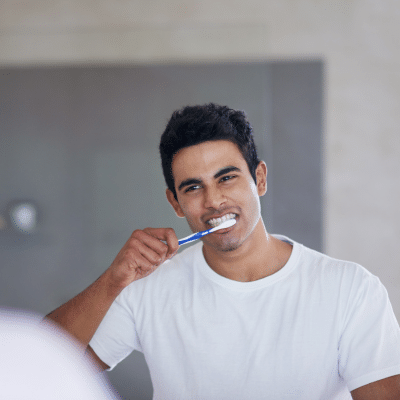
 Maintaining proper daily oral hygiene is essential for a healthy mouth, a bright smile and overall well-being. At O’Fallon Dental Works in O’Fallon, MO, we believe that good oral habits are the foundation of excellent dental health. By following a few simple dos and don’ts in your daily oral hygiene routine, you can prevent cavities, gum disease and other dental problems.
In this blog, we’ll break down the best practices for daily oral hygiene and the common mistakes to avoid.
The Do’s of Daily Oral Hygiene
Do Brush Your Teeth Twice a Day
Brushing your teeth is the most basic, yet most effective, way to remove plaque, bacteria and food particles from your teeth and gums. Be sure to brush your teeth twice a day—once in the morning and again before bedtime. This helps remove the buildup of plaque and prevents cavities and gum disease.
Incorporating oral hygiene into your routine ensures that your teeth stay clean and healthy throughout the day. Use a fluoride toothpaste and a soft-bristled toothbrush. Fluoride strengthens tooth enamel and helps fight cavities, while a soft-bristled brush is gentle on gums and teeth. Brush for a minimum of two minutes, making sure to clean all areas of your teeth, including the front, back and chewing surfaces.
Do Floss Every Day
Flossing is equally crucial as brushing for keeping your teeth and gums healthy. A toothbrush can’t reach between your teeth, where food particles and plaque tend to accumulate. By flossing daily, you can prevent gum disease, cavities between teeth and bad breath.
As part of your daily oral hygiene routine, make sure to use proper flossing techniques—gently slide the floss between your teeth, curving it around each tooth to clean beneath the gumline. Avoid snapping or pulling the floss aggressively, as it may harm your gums. If you find traditional floss challenging, consider using floss picks or a water flosser for an easier experience.
Do Rinse with Mouthwash
Incorporating mouthwash into your oral care routine is a great way to enhance your hygiene. It can help kill bacteria, freshen your breath, and prevent plaque buildup. Look for an antimicrobial mouthwash with fluoride to enhance your oral hygiene regimen. Swishing mouthwash for 30 seconds after brushing and flossing can give your mouth an extra layer of protection.
Do Use a Tongue Scraper
The tongue harbors bacteria and food particles that can contribute to bad breath and poor oral health. Using a tongue scraper or gently brushing your tongue with your toothbrush can help remove these particles and keep your breath fresh, making it an essential part of your daily oral hygiene.
Do Replace Your Toothbrush Regularly
As time passes, the bristles on your toothbrush become worn and less effective. Replace your toothbrush or brush head every 3 to 4 months, or sooner if the bristles become frayed. A worn toothbrush can’t clean your teeth as effectively, so replacing it regularly ensures optimal results as part of your daily oral hygiene.
The Don’ts of Daily Oral Hygiene
Don’t Brush Too Hard
While it may seem like brushing vigorously would result in cleaner teeth, brushing too hard can actually damage your gums and tooth enamel. Excessive force can lead to gum recession, tooth sensitivity and enamel erosion. When brushing, use gentle, circular motions and let the bristles do the work. If you’re unsure about the right technique, ask your dentist for advice on how to properly incorporate oral hygiene into your routine.
Don’t Skip Your Routine
It’s easy to skip brushing or flossing when you’re tired or running late, but neglecting your oral hygiene routine can lead to serious oral health issues over time. Plaque can begin to build up quickly, leading to cavities, gum disease and even tooth loss. Stick to brushing twice a day and flossing once a day to maintain healthy teeth and gums.
Don’t Use Your Teeth as Tools
Many people use their teeth to open packages, bottles, or bite their nails. While this may seem convenient, it puts unnecessary stress on your teeth, which can lead to chips, cracks, or fractures. Always use the proper tools to open things and avoid chewing on hard objects like ice or pens, which can damage your teeth and disrupt your daily oral hygiene.
Don’t Forget to Clean Your Dental Appliances
If you wear braces, retainers, or dentures, it’s crucial to clean them properly every day as part of your oral hygiene routine. Food particles and bacteria can build up on these appliances and contribute to oral health issues. For braces, use special tools like orthodontic wax, interdental brushes and floss threaders to clean around the wires and brackets. Dentures should be cleaned daily with a non-abrasive denture cleanser to avoid staining and bacteria growth.
Don’t Drink Sugary Beverages Frequently
Sugary drinks like soda, fruit juices, and sweetened coffee can increase your risk of cavities. Bacteria in the mouth feed on sugar and produce acid, which attacks tooth enamel and leads to decay. If you do drink sugary beverages, try to do so with a meal, and rinse your mouth with water afterward. It’s also a good idea to use a straw to minimize contact with your teeth, helping maintain your daily oral hygiene.
Tips for Maintaining Your Oral Hygiene Routine
- Stay Hydrated: Drinking plenty of water helps rinse away food particles and bacteria, and it promotes saliva production, which is your mouth’s natural defense against cavities. Keeping hydrated supports your daily oral hygiene.
- Eat a Balanced Diet: A diet rich in vitamins and minerals, especially calcium and vitamin D, supports healthy teeth and gums. Avoid excessive snacking between meals to prevent plaque buildup, and consider how your diet impacts your oral hygiene.
- Visit Your Dentist Regularly: Even with excellent oral hygiene, regular dental checkups and cleanings are essential. Your dentist can spot early signs of issues like cavities and gum disease, ensuring you receive prompt treatment.
Request Your Appointment in O’Fallon, MO Today
Maintaining good oral hygiene is essential for a healthy smile and overall well-being. By following the dos and don’ts of daily oral hygiene, you can ensure that your teeth and gums stay in top condition. At O’Fallon Dental Works in O’Fallon, MO, we’re here to help you every step of the way. If you have any questions or need advice on improving your daily oral hygiene routine, don’t hesitate to request your appointment!